Sunday, October 19, 2014

Turkey & Farro Zucchini Boats

These zucchini boats make a quick and healthy lunch or dinner.


Serves: 4
Hands-on Time: 25 minutes
Total Time: 30 minutes

INGREDIENTS:

  • 1⁄2 cup farro, soaked in water in refrigerator overnight (TIP: Soak farro in enough water to cover.)
  • 4 zucchini, trimmed and halved lengthwise
  • 12 oz lean ground turkey
  • 1⁄2 cup diced yellow onion
  • 4 tsp dried oregano
  • 1 cup seeded and diced plum tomatoes
  • 1 tbsp balsamic vinegar
  • 3 tbsp fresh basil, finely chopped, plus additional for garnish
  • 2 tbsp unsalted pepitas (aka pumpkin seeds)
  • 1 1⁄2 oz mozzarella cheese, shredded

INSTRUCTIONS:

  1. Preheat oven to 475°F. Drain farro and transfer to a medium saucepan with 11⁄2 cups water. Bring to a boil, cover and reduce heat to medium-low. Simmer for 10 minutes, until tender. Drain excess water.
  2. Meanwhile, in a large nonstick skillet, bring 1 inch water to a gentle simmer. Add zucchini and cook until slightly softened, about 5 minutes. Remove zucchini from skillet and with a small spoon, scrape out and reserve flesh. Place zucchini skin side down in an 8 x 10-inch baking dish.
  3. Drain water from skillet and wipe dry, then heat on medium-high. Add turkey and cook, breaking up with a wooden spoon, for 2 minutes. Add onion, oregano and reserved zucchini flesh and reduce heat to medium. Sauté, stirring often, until turkey is almost cooked through, about 5 minutes. Stir in farro, tomatoes and vinegar and sauté for 2 to 3 more minutes; stir in 3 tbsp basil. Spoon mixture into zucchini halves. Top with pepitas and cheese and bake for 5 to 10 minutes, until cheese melts. Garnish with additional basil.

TIP: Didn’t soak your farro overnight? Simply cook as directed, but simmer for 20 more minutes.

 Nutrients per serving (2 zucchini boats):calories: 323, total fat: 13 g, sat. fat: 4 g, Monounsaturated fat: 4 g, polyunsaturated fat: 4 g, carbs: 29 g, fiber: 6 g, sugars: 7 g, protein: 26 g, sodium: 146 mg, cholesterol: 71 mg


Want more clean eating recipes?

Click here and answer a few questions and I will get you connected to the group.


Sunday, October 12, 2014

9 Foods For Effective Clean Bulking


#BEASTMODEON


The must eat proteins, carbs and fats for packing on the muscle without adding a gut.


Bulking up your frame with ample muscle and minimal fat is a combination of increase your training volume and your calories. Just as doing leg extensions won’t add muscle like doing squats, eating the wrong foods won’t get you the muscular lean body you desire. Easy healthy bulking is all about eating an excess of the right quality foods that will minimize fat gain, maximize muscle growth, while keeping your joints, heart, and metabolism functioning in top shape.

While bulking you want to shoot for eating 30% of your calories from protein. This will ensure that you're providing your body with enough amino acids for new muscles construction but not too much protein that you’ll be displacing other important foods in your diet. 

Each of the below sources provides unique nutrients or flavors giving your body what it needs while preventing you from getting tired of the same old food (anyone who has been on the boiled chicken breast and canned tuna diet will know what I’m talking about). 


9 Foods For Effective Clean Bulking

PROTEIN SOURCE: SALMON 

A great calorie dense late night protein source that is packed with omega-3 fats which will help fight inflammation and keep your joints pain free as your training volume increases. 


PROTEIN SOURCE: SKINLESS CHICKEN THIGH 

Classic muscle building foods that can be cooked 100 different ways giving you’re the protein you need and variety to keep you sane. Chicken thighs are a nice alternative to chicken breasts; the dark meat has a smoother texture and taste that comes from the added fat which in addition to giving extra flavor, gives you extra calories for your muscle building efforts. 


PROTEIN SOURCE: LEAN BEEF OR BISON

Choose cuts of meat labeled loin or round and trim away any visible fat before cooking to ensure a high quality protein source with the right amount of calories. Lean beef or bison is a natural source of creatine and one of the best sources of stearic acid, a unique saturated fat that has no impact on your cholesterol level. 


CARBOHYDRATE SOURCE: QUINOA

Getting ample starchy carbohydrates first thing in the morning and in the 3-4 hours following your training session is an essential strategy for getting the calories your need and putting those calories to work building muscle instead of having them pad your waistline.

A grain originally from South America, quinoa can be eaten warm or cold, for breakfast (like oatmeal), lunch, or dinner. Quinoa has a higher than usual protein content for a grain and one serving also packs 33% of your daily zinc needs, a nutrient essential for optimal testosterone. 


CARBOHYDRATE SOURCE: ROLLED OATS

Oats are an extremely versatile grain that you can use to easily bump up your calories without stuffing yourself. Rolled oats can be eaten as oatmeal for breakfast, blended into a smoothie, or mixed together with chocolate protein powder and peanut butter for a muscle building sludge that can be packed up and taken with you to enjoy when you are on the go. 


CARBOHYDRATE SOURCE: SPROUTED GRAIN BREADS

Sprouted grain breads provide you a better alternative to regular breads. Sprouted grain breads are made from grains only after the grain has sprouted giving them a lower carbohydrate and higher protein due to the conversion of carbohydrates to protein during the sprouting process. Sprouted grain breads also have a lower glycemic index than traditional breads. This translates to better blood sugar control for your body. Better control of your blood sugar while bulking will result a better muscle:fat ratio. Sprouted grain breads, like Ezekiel bread, aren’t packed with preservatives so keep them in the freezer until you are ready to eat them to prevent premature mold growth.


FAT SOURCE: AVOCADO 

with more than twice the calories per gram than protein or carbohydrates making it easier for you to hit your higher than normal calorie targets. Your body also creates hormones and other important signaling molecules essential for muscle growth and good health from fats.

Avocados contain high levels of monounsaturated fats which a 2007 study published in Diabetes Care showed switching to a diet high in monounsaturated fats can prevent the redistribution body fat towards your abs. This will help you keep your midsection tight while your get bigger. Avocados are also a great way to get extra fiber in your diet without filling you up.


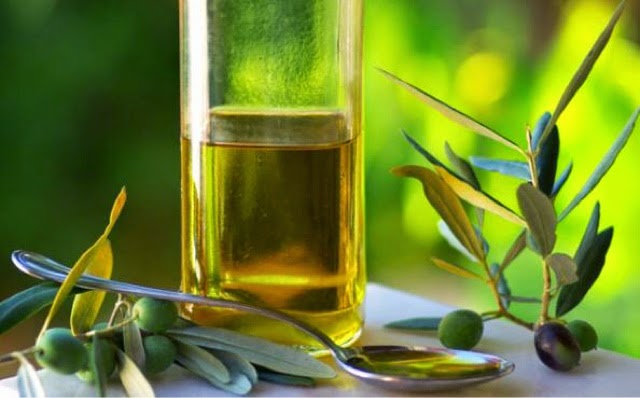
FAT SOURCE: EXTRA VIRGIN OLIVE OIL

Cold pressed extra virgin olive oil should be a staple in your diet, used in cooking a low temperatures and drizzled on salads and other vegetables throughout the today. In addition to being packed with heart healthy fats, extra virgin olive oil is loaded with polyphenols. Polyphenols are a power class of antioxidants that will help keep the oxidative stress created by your intense training sessions in check so you can continue to train and grow at your max. If your olive oil has a peppery taste, then you know it is full of polyphenols.


FAT SOURCE: COCONUT MILK

Coconut milk is your magic muscle building bullet. Its versatility allows it to be added to sautéed spinach, protein shakes, or a bowl of Greek yogurt to near instantly boost the calorie content of any dish without you feeling like you are eating more. In addition, coconut milk contains medium chain triglycerides (MCTs). MCTs are saturated fats that are absorbed and digested differently than the other fats in your diet making them more readily available to be used for energy and not stored as  fat.


Need help bulking up and gaining Muscle Mass?  

      Register today to get into the Swole Shack!

Click the image below and sign up for your FREE account. I will contact you after the form is submitted and together we will pick the program that is best for you and your bulking needs.

ITS TIME TO GET SWOLED!!! 
MAN UP.


READY FOR BODY BEAST???  
Click here to learn more--->
  http://www.teambeachbody.com/shop/-/shopping/BCPBE220?referringRepId=257550

Friday, October 10, 2014

You wanted to see Tania's “before” and “after,” so here they are!

You wanted to see Tania's “before” and “after,” so here they are!

Yes, she got these results in just 10 weeks with FOCUS T25®! Now she's back to being "The Machine.” If she can do it, post-baby, so can you!

JOIN MY NEXT GROUP TODAY!
Click here to get started.  ---->


https://www.facebook.com/393757240696505/posts/490556541016574

Tuesday, October 7, 2014

My Kids LOVE Shakeology, but Does Shaun T Drink it?


Prince says,

 "More Shakeology please"!

https://www.facebook.com/video.php?v=10204205373368775&am...


Proof , they love it! Just watch the video..
Please excuse my messy eaters!  

Click on this picture to watch~

Play Video


If you have been following me you all know that my kids LOVE there Shakelogy, but Does Shaun T Drink Shakeology?

Shaun T4 Does Shaun T Drink Shakeology?Yes, it’s true.  Not only does Shaun T drink Shakeology, he loves it!   I have to admit it makes me pretty happy to know that he does.  In a recent Facebook status update he shared his love for the product.  I would just like to say that one doesn’t achieve a physique like Shaun T’s without being very careful about what one eats, and that is the unvarnished truth!  If you’re not getting the results you want to, you need to examine what you’re fueling your body with.

Shaun T Loves Shakeology

So what exactly did he say in his comments about Shakeology?  Well, I’ll let you read for yourself.  I took a screen shot of his post!  I think you’ll be able to tell just how impressed he is with it.
Shakeology Amazeballs Does Shaun T Drink Shakeology?
So there you have it:  SHAKEOLOGY=AMAZEBALLS.  I think that about says it all!  Are you wondering if you’d like Shakeology too?  Why not give it a try?

  Beachbody stands behind Shakeology 100% with a 30 day bottom-of-the-bag money back guarantee.  I bet you’ll come to the same conclusion as Shaun T:  SHAKEOLOGY is truly AMAZEBALLS! 


Want to learn more about Shakeology? 
 100 Doctors don't lie, Watch this


 My challengers who use Shakeology with there programs see two times faster results drinking it daily. It's incredibly nutrient dense and only 130 calories. You can't find all that nutrition in those few calories ANYWHERE.... not even the world's most perfect salad!

 PLUS, it keeps you * HEALTHY * while you are on your calorie deficit meal plan. It will give you the energy you need to continue your workouts. 

Shakeology is a game changer! I use it myself everyday. It has helped me kick my junk food cravings while fueling my body with the nutrients it so desperately needs. It helps me keep up with my 3 children and my demanding lifestyle.


Here's proof from nearly 3,000 daily Shakeology drinkers:*
81% feel it helped reduce their cravings for junk food.
3.1 hours is how long Shakeology kept them feeling full.
81% said Shakeology kept them full until their next meal.
72% said Shakeology helped them lose weight.
 
  Click on the image below to discover more about Shakeology.

  http://www.teambeachbody.com/shop/-/shopping/MDSUSH311G?referringRepId=257550
Dont wait another minute to get your health back and add years to your life, Order Today!


And for my mommies out there, YES it is safe to drink while breast feeding. I drank it through all of my pregnancies and after. It was a God send!

 Here is more info on that topic~


Shakeology Banner Does Shaun T Drink Shakeology?

Monday, October 6, 2014

Meet Deanne Belardino Petrell

 With the launch of the brand new P90 we are asking Every One To Help One. That means, we are asking every coach - YOU - to find at least one person who could use this incredibly efficient program - starting at 25 mins a workout plus easy to follow meal plan - to get their life back on track and see remarkable visible results.

This program works like crazy. And this month we want Every One To Help One.

We have three exciting promotions happening:

1) For the entire month, the P90 Challenge Pack is discounted to $160. You're basically getting Shakeology® plus the $80 P90 program for only $30. Nice.

2) For the 1st 50,000 units of P90 we sell through October 31st we'll donate $5 to the Wounded Warrior Project in memory of P90 trainer Tony Horton's father (Tony, Sr.), who had quietly donated every month without telling anyone about it. In honor of Tony, Sr. and his big awesome heart, we're taking that up to $250,000 of awesome.

3) We are asking every coach - YOU - to post a picture of themselves and their "one" with the tags: "I’m paying it forward with ‪#‎P90‬. ‪#‎ItsYourTurn‬.” And yes, you can help more than one. But the point is, Every One, Helps One. At least one.

For instance: Here's my one.


Meet Deanne Belardino Petrell


I'm a 35 year old mother of two children (12 year old girl, 9 month old boy) I have a rare genetic condition that causes my left knee to pop out of place when I bend it and I suffer from chronic pain. As the years have gone by I have become more sedentary which is a bad way to live if I want to live a long time. Some days I never even leave my house. I want to live a long, healthy life with my kids. The worst part of my body is my stomach where I have accumulated a large amount of that unhealthy belly fat. I know how dangerous the belly fat + sedentary lifestyle is for me. This is what I want to change. I'm excited to establish a routine that keeps me off the couch and feeling good again.


I am so excited to be a part of Deanne's journey!
STAY TUNED FOR HER RESULTS...

 
Who is your one? 

Please make it someone who deserves it and who needs it.

If you are interested in joining in on the P90 test group please fill out the FREE form below and make me your coach today! 


CLICK HERE---->           https://www.teambeachbody.com/signup/-/signup/free?referringRepId=257550


I’m paying it forward with #P90. #ItsYourTurn.


Friday, October 3, 2014

9 Foods NOT to give your children


MOM KNOWS BEST!!


If you’ve followed the news on childhood obesity lately, you know the state of affairs is pretty grim. Childhood obesity rates have tripled over the past two decades, and most signs point to the next generation being the first whose life expectancy will be shorter than their parents’. Much of the blame for this trend has deservedly been laid at the feet of the producers and marketers of unhealthy food aimed at our youngest consumers, whose parents face an uphill battle: trying to pit fresh, healthy foods devoid of mascots or sidekicks against superheroes and cartoon animals in a struggle to tempt their children’s palates and stomachs.

Since most kids have hummingbird metabolisms that adults can only envy, it’s often easy to give them a free pass and let them eat whatever they want. But eventually those metabolisms slow down and the pounds settle in. Also, as physical activity decreases and processed food intake increases annually, kids aren’t burning calories the way their parents might have when they were their age. And even if the kids aren’t getting fat, they are establishing eating habits they’ll take into adulthood. As parents, you can help foster a love for healthy eating and exercise that will last your kids a lifetime—hopefully a long one!

Eating can so often be a classic power struggle where kids try to finally locate their mom and dad’s last nerve. (I can remember family dinners with my brother and parents that could teach Hezbollah a thing or two about standoffs.) There are a number of strategies you can use to mitigate this type of deadlock. One is to let your kids help with the selection and preparation of the food. If they picked out the veggies at the farmers’ market and helped cook them, they might be less inclined to feed them to the family pet. Another is to frame eating vegetables and healthy food as being its own reward. Otherwise, by offering dessert as a reward for finishing vegetables, you create a system where unhealthy food is a treat and healthy food sucks. With these thoughts in mind, let’s take a look at some of the unhealthiest foods being marketed to your kids today, and some healthier alternatives you can offer to replace each of them.

Note: The following recommendations are for school-aged children. Infants and toddlers have different specific nutritional needs not addressed in this article.

1. Chicken nuggets/tenders
These popular kids’ menu items are little nuggets of compressed fat, sodium, high fructose corn syrup (HFCS), and some form of chicken. Depending on the restaurant, chicken might not even be the first ingredient. Oftentimes, the nuggets or tenders are made of ground pieces of chicken meat and skin, pressed into a shape, flavored with HFCS and salt, and batter-fried in hydrogenated oil (the bad, trans-fatty stuff). Then, as if that weren’t unhealthy enough, you dunk it in a HFCS- or mayonnaise-based sauce. With all the fat, salt, and sugar, it’s easy to understand why they’re tasty, but the nutritive value weighed against the huge amount of calories and fat consumed is incredibly lacking. Even healthier-sounding menu items can be deceiving, like McDonald’s Premium Breast Strips (5 pieces), which pack 640 calories and 38 grams of fat—and that’s before you factor in the dipping sauce. (By comparison, a Big Mac with sauce has 540 calories and 29 grams of fat.)
Instead: If you’re cooking at home, grill a chicken breast and cut it into dipping-size pieces either with a knife or, for extra fun, cookie cutters. Make a healthy dipping sauce from HFCS-free ketchup, marinara sauce, mustard, or yogurt. Let your kids help make the shapes or mix up the sauce. Try and go without breading, but if you must, try dipping the chicken breast in a beaten egg, and then rolling it in cornflake crumbs before you bake it. It’ll be crunchy and delicious, but not as fatty.

2. Sugary cereal
I can remember as a child, after going to friends’ houses for overnights and being treated to breakfast cereals with marshmallows that turned the milk fluorescent pink or blue, feeling horribly deprived when faced with the less colorful and sugary options served up in my home kitchen. But now I can appreciate my mom and her unpopular brans and granolas. True, they didn’t have any cartoon characters on the box or any toy surprises, but they also didn’t have the cups of sugar, grams of fat, and hundreds of empty calories that these Saturday-morning staples are loaded with.
Instead: Read the labels and try to find cereal that’s low in sugar and high in fiber and whole grains. Remember, “wheat” is not the same as “whole wheat.” Also, avoid cereals (including some granolas) that have hydrogenated oils, artificial colors, or chemical preservatives. Add raisins, sliced bananas, berries, or other seasonal fruit to the cereal for extra flavor and nutrition. Again, letting your child help design a healthy bowl of cereal from choices you provide will get you a little more buy-in at the breakfast table.

3. Lunch meat and hot dogs
Kids love hot dogs, bologna, and other processed meats, but these are all full of potentially carcinogenic nitrates and nitrites, sodium, saturated fat, and artificial colors and fillers. A study in Los Angeles found that kids who ate 12 hot dogs a month had 9 times the risk of developing leukemia. And more health risks are being discovered all the time. Leaf through any research about kids’ nutrition, and you’re bound to read about the bane of the cafeteria—Oscar Mayer’s Lunchables. These and similar prepackaged lunches are loaded with processed meats and crackers made with hydrogenated oils. These innocent-looking meals can boast fat counts of up to 38 grams. That’s as much fat as a Burger King Whopper and more than half the recommended daily allowance of fat for an adult.
Instead: Get unprocessed meats, like lean turkey breast, chicken, tuna, or roast beef. Use whole wheat bread for sandwiches; or if your kid’s dying for Lunchables, fill a small plastic container with whole-grain, low-fat crackers, lean, unprocessed meat, and low-fat cheese. This can be another great time to get out the cookie cutters to make healthy sandwiches more fun. For hot dogs, read labels carefully. Turkey dogs are usually a good bet, but some are pumped up with a fair amount of chemicals and extra fat to disguise their fowl origins. Look for low levels of fat, low sodium, and a list of ingredients you recognize. There are some tasty veggie dogs on the market, although a good deal of trial and error may be involved for the choosy child.

4. Juice and juice-flavored drinks.
Juice—what could be wrong with juice? While 100 percent juice is a good source of vitamin C, it doesn’t have the fiber of whole fruit, and provides calories mostly from sugar and carbohydrates. Too much juice can lead to obesity and tooth decay, among other problems. The American Academy of Pediatrics suggests 4 to 6 ounces of juice per day for kids under 6, and 8 to 12 ounces for older kids. Juice drinks that aren’t 100 percent juice are usually laced with artificial colors and that old standby, high fructose corn syrup, and should be avoided. Your best bet is to make your own juice from fresh, seasonal fruit. You won’t have to worry about all the additives, and it’s another way you can involve your kids in the cooking process. Let them design their own juice “cocktail.”
Instead: Water is still the best thirst quencher. Explain the importance of good hydration to your kids, and try to set a good example yourself by carrying around a healthy reusable hard plastic or stainless steel water bottle. Get your kids used to carrying a small bottle of water in their backpack or attached to their bike. If they’re very water averse, try water with a splash of fruit juice in it. But just a splash. The idea is to get your kids used to not having things be overly sweet, overly salty, or overly fatty. Another great beverage is milk. Growing kids need plenty of milk (or fortified nondairy milks, like soy or almond)—which is filled with nutrients, calcium, and (in the case of dairy and soy) protein—but they don’t need too much fat, so choosing low-fat or nonfat options will help ensure that they get their milk without actually beginning to resemble a cow.

5. French fries.
High in calories, high in fat, and high in sodium—and unsurprisingly the most popular “vegetable” among kids. Fries offer virtually none of the nutrients found in broccoli, carrots, spinach, or other veggies not cooked up in a deep fryer, and the fat they’re fried in is often trans fat, the unhealthiest kind for the heart. To top it all off, studies are beginning to show cancer-causing properties from acrylamide, a toxic substance that is created when starchy foods like potatoes are heated to extreme temperatures. In some tests, the amount of acrylamide in French fries was 300 to 600 times higher than the amount the EPA allows in a glass of water.
Instead: Vegetables like baby carrots, celery sticks, and other crudités are great options, but if potatoes must be had, there are some options that don’t involve melting a brick of fat. A scooped-out potato skin with low-fat chili and a little cheese can provide lots of fiber and vitamins, with even higher amounts if the chili has beans. You can also try making baked fries, using slices of potato with a light brushing of olive oil. Or the classic baked potato could be a hit, with plain yogurt or cottage cheese instead of sour cream and butter.

6. Potato chips, Cheetos, Doritos, etc.
These are full of fat, oftentimes saturated, and way more sodium than any child or adult should eat. Some chips also have the acrylamide problem discussed in #5, French fries, above. Also, watch out for innocent-seeming baked and low-fat chips that contain olestra or other fake fats and chemicals that could present health issues for kids.
Instead: Kids gotta snack, and in fact, since their stomachs are smaller, they aren’t usually able to go as long between meals as adults. Cut-up vegetables are the best thing if your kids want to get their crunch on, but air-popped popcorn and some baked chips are okay, too. You can control how much salt goes on the popcorn, or involve your child in experimenting with other toppings like red pepper, Parmesan cheese, or dried herbs. Try making your own trail mix with your kids. They might be more excited to eat their own personal blend, and that way you can avoid certain store-bought trail mixes, which sometimes contain ingredients like chocolate chips and marshmallows that aren’t exactly on the healthy snack trail.

7. Fruit leather
Many of these gelatinous snacks like roll-ups or fruit bites contain just a trace amount of fruit, but lots of sugar or HFCS and bright artificial colors. Don’t be misled by all the products that include the word “fruit” on their box. Real fruit is in the produce section, not the candy aisle.
Instead: If your child doesn’t show interest in fruit in its natural state, there are some ways you can make it more interesting without losing its nutritional value. For a healthy frozen treat, try filling ice-cube or frozen-pop trays with fruit juice, or freezing grapes. Or buy unflavored gelatin and mix it with fruit juice and/or pieces of fruit to make gelatin treats without the added sugar and color (let it solidify in big flat casserole dishes or roasting pans—another good time for the cookie cutters!) Try serving some raisins, dried apricots, apples, peaches, or other dried fruits that might give you that chewy, leathery texture without the sugar.
8. Doughnuts.
These little deep-fried gobs of joy are favorites for kids and adults alike, but they are full of fat and trans-fatty acids, and of course, sugar. Toaster pastries, muffins, and cinnamon buns aren’t much better. The worst thing about doughnuts and these other pastries, aside from their nutritional content, is that they’re often presented to children as acceptable breakfast choices. These delicious deadlies need to be categorized properly—as desserts, to be eaten very sparingly. And you can’t have dessert for breakfast.
Instead: Honestly, a slice of whole wheat toast spread with sugar-free fruit spread or peanut butter isn’t going to get as many fans as a chocolate-filled Krispy Kreme doughnut, but at some point, you have to stand firm. Be the cop who doesn’t like doughnuts. Doughnuts—not for breakfast. Period.

9. Pizza
In moderation, pizza can be a fairly decent choice. If you order the right toppings, you can get in most of your food groups. The problem comes with processed meats like pepperoni and sausage, which add fat and nitrates/nitrites (see #3, Lunch meat and hot dogs, above); and the overabundance of cheese, which will also provide more calories and fat than a child needs.
Instead: Try making your own pizza with your kids. Use premade whole wheat crusts, or whole wheat tortillas, English muffins, or bread as a base. Then brush on HFCS-free sauce, and set up a workstation with healthy ingredients like diced chicken breast, sliced turkey dogs, and vegetables that each child can use to build his or her own pizza. Then sprinkle on a little cheese, bake, and serve. If your child gets used to eating pizza like this, delivery pizzas may seem unbearably greasy after awhile.
Someday your children will come to realize that caped men in tights and sponges who live under the sea might not have their best interests at heart when it comes to food. Until then, however, why not involve them in the process of selecting and preparing healthier alternatives? Some of these cleverly disguised wholesome foods might become their favorites. Who knows, they may even tempt some of the overgrown children among us!


Do you need help with clean eating? Join my FREE Clean Eating Club TODAY!


Make me your coach and let's get started, just click here.  ITS FREE!!